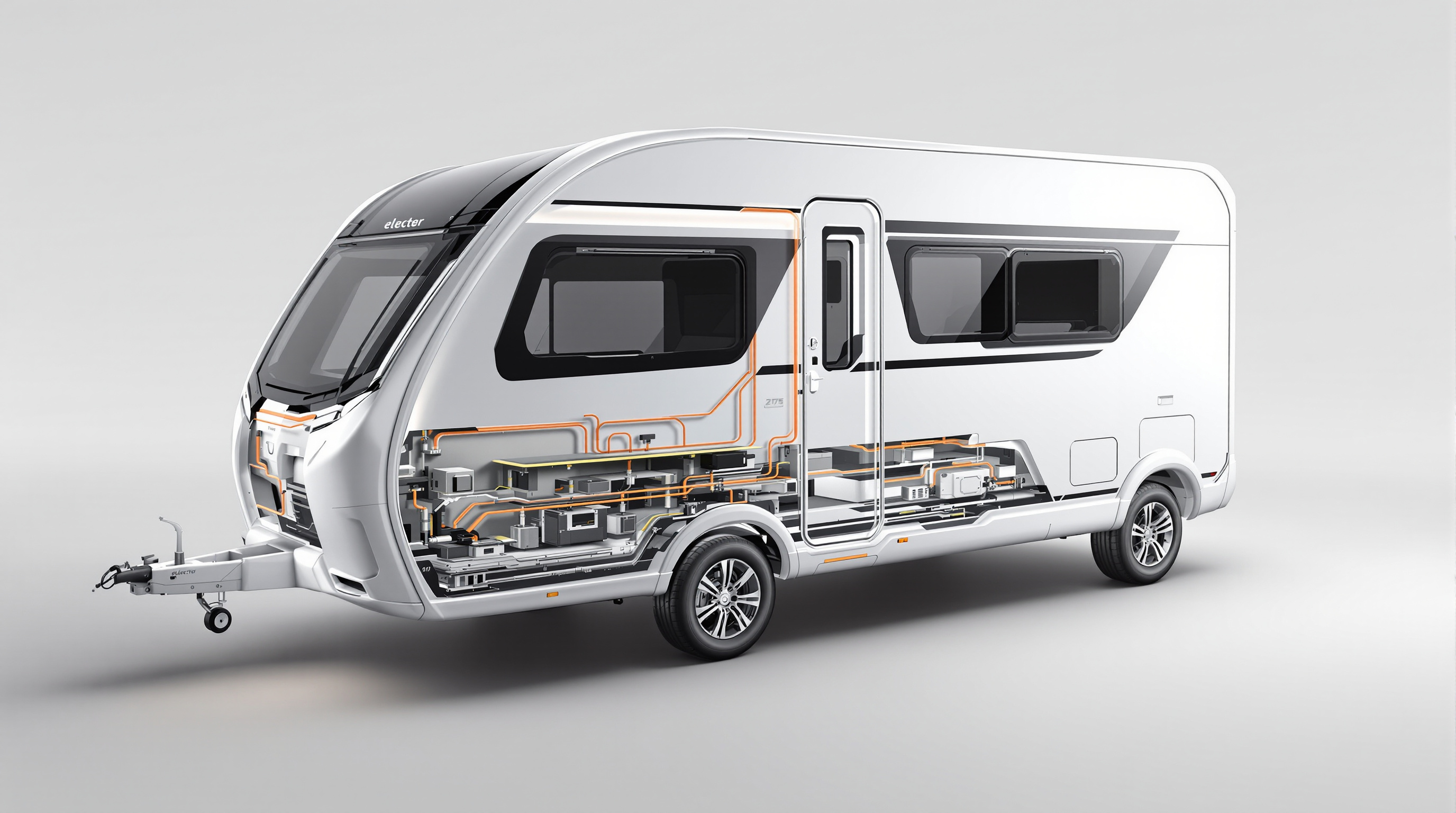
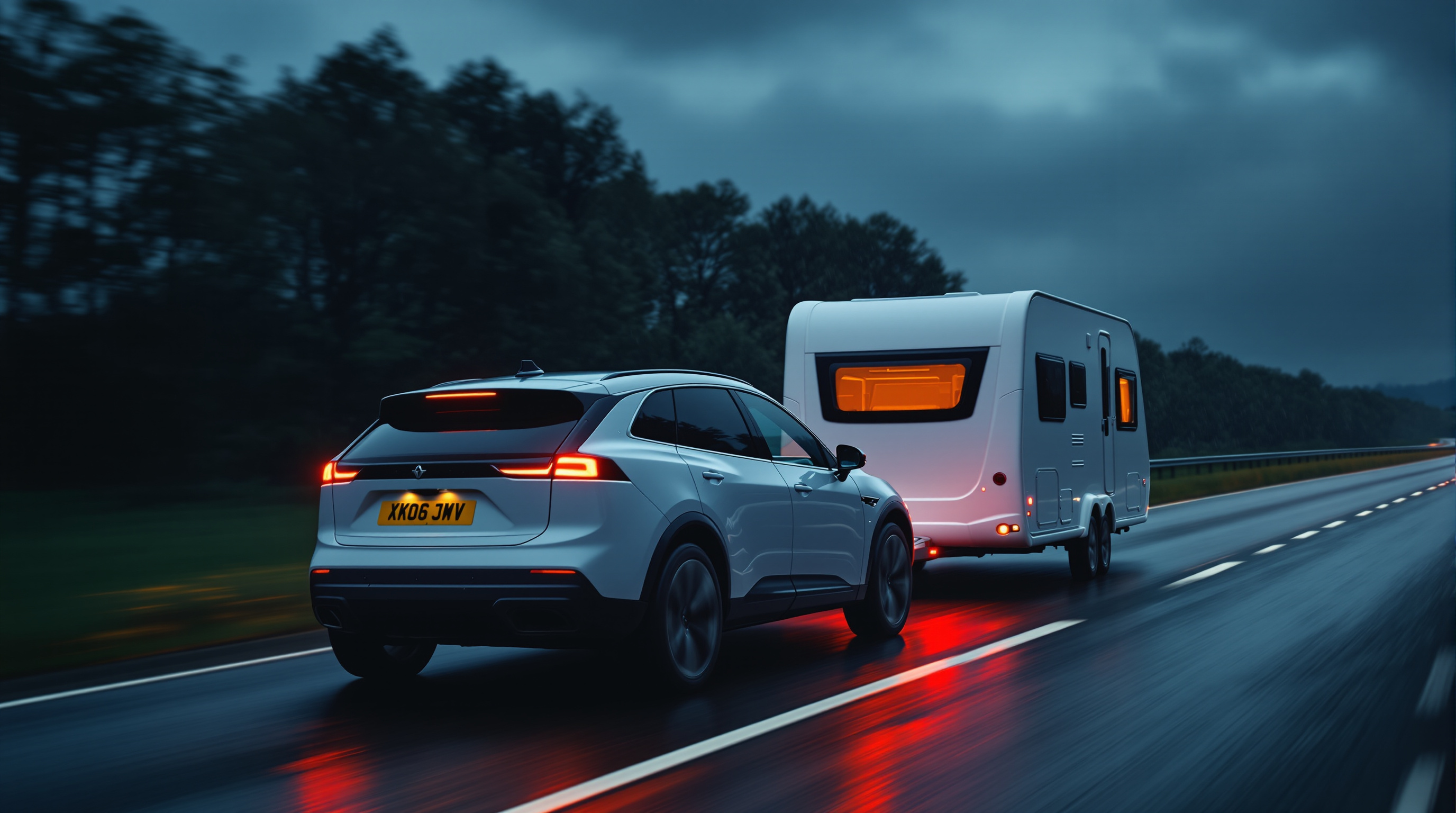
Floor pack. Motors at the wheels. Assist, then let go.
On the move the van pushes, taking load off the tow car. Under braking the motors cut out. On the overrun they generate, and the pack tops itself up.
01
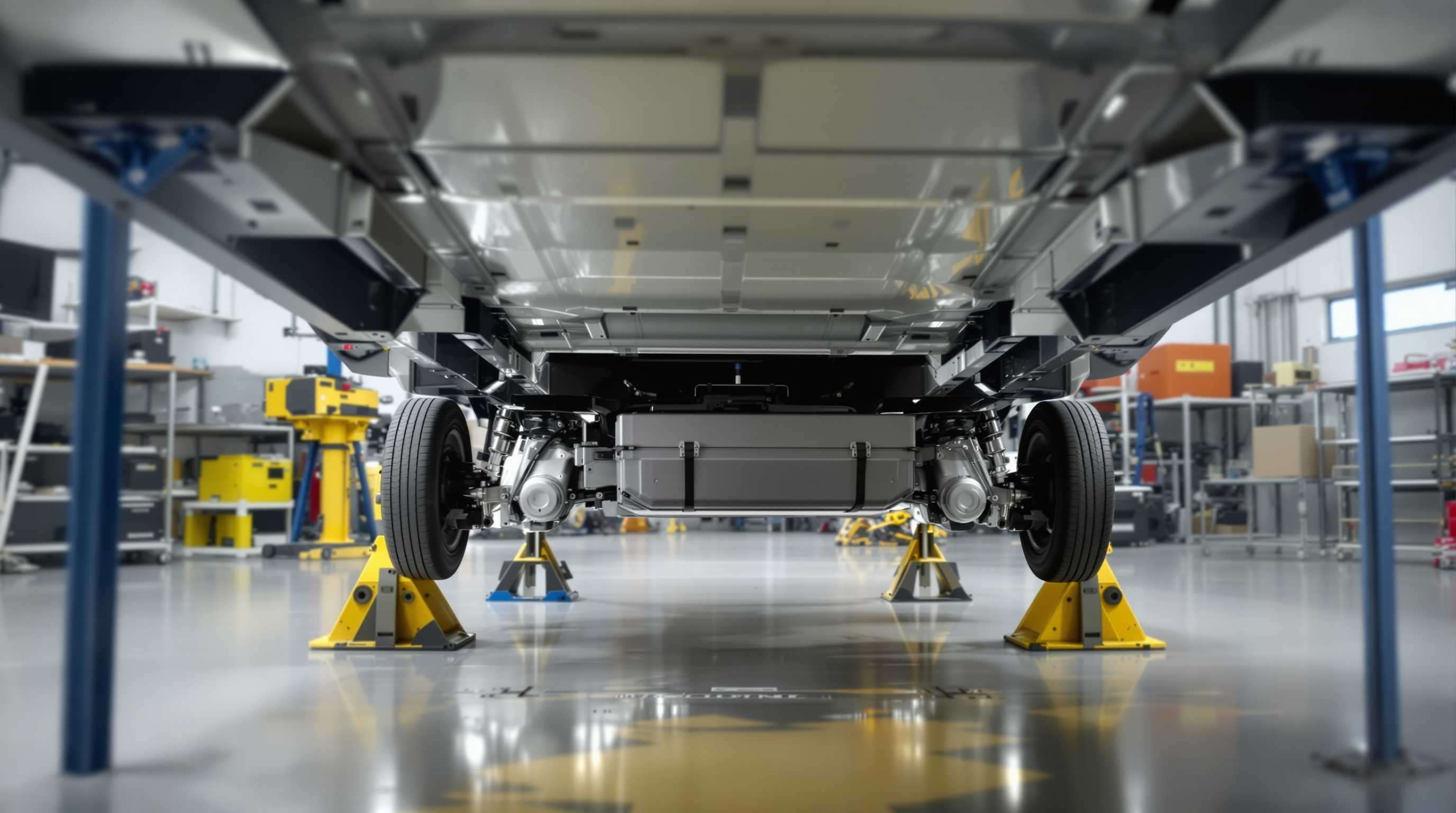
Battery in the floor
The pack lives in the base, not in a locker. Mass stays low, which is where a caravan wants it, and the floor does two jobs.
02
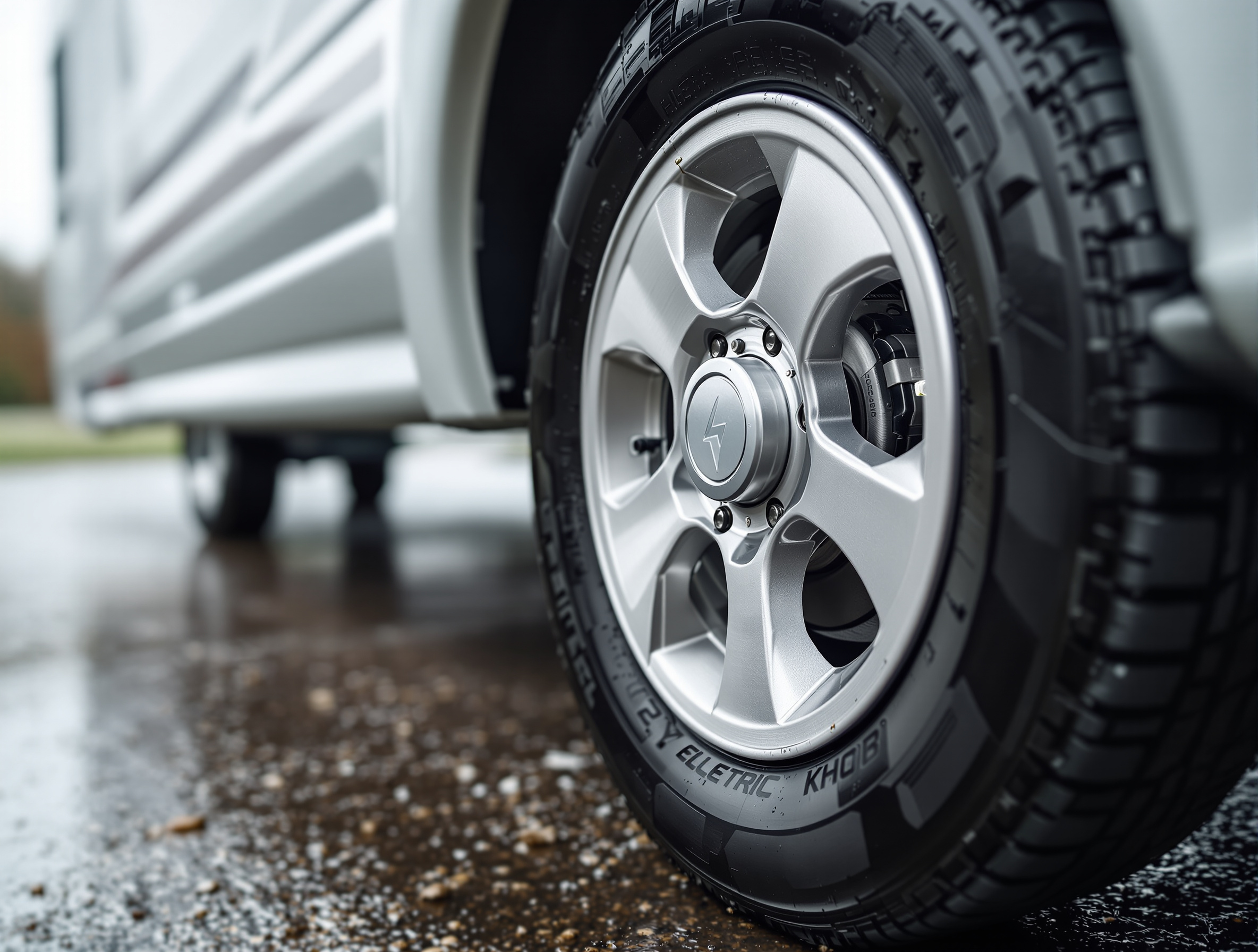
A motor on each wheel
Small electric motors, one at each wheel. Enough to share the pull. Not a bid to turn the van into a motorhome.
03
Assist, cut-out, regen
They push while you are moving. They cut out under braking. Regen on the overrun puts charge back in the pack.
Why it matters
The van helps. The hookup does not pretend.
Built for EV touring, useful behind any tow car, and honest about what a 13-pin lead can and cannot do.
On the road
Range that lasts longer
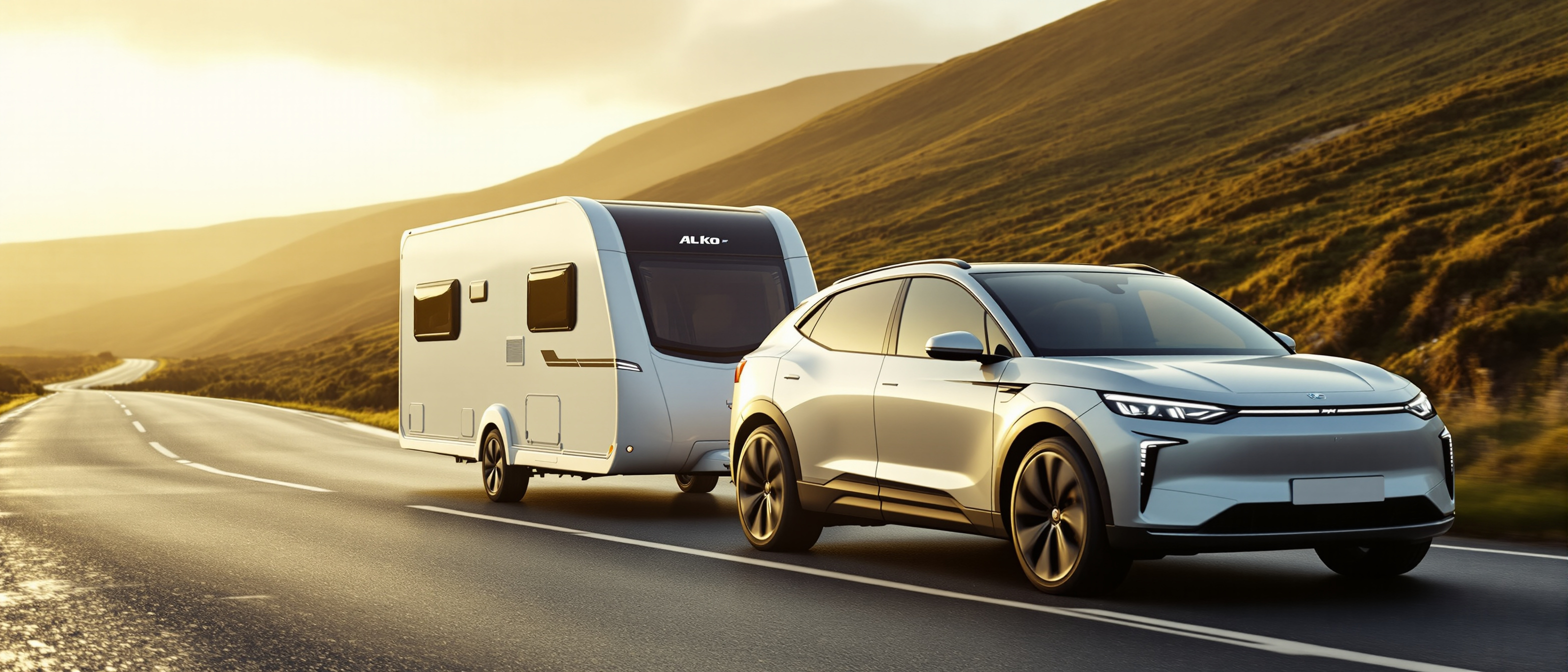
An EV loses range when it tows. Hybrid Caravan is meant to give some of that back by pushing the van — not by feeding traction power into the car.
A 13-pin hookup is 12V — lights and the fridge. It is not a traction cable. This is not a workaround for that.
Petrol, diesel or electric: the tow car works less. Torque at each wheel can help the outfit stay true.
On the pitch
Parked, the pack still works
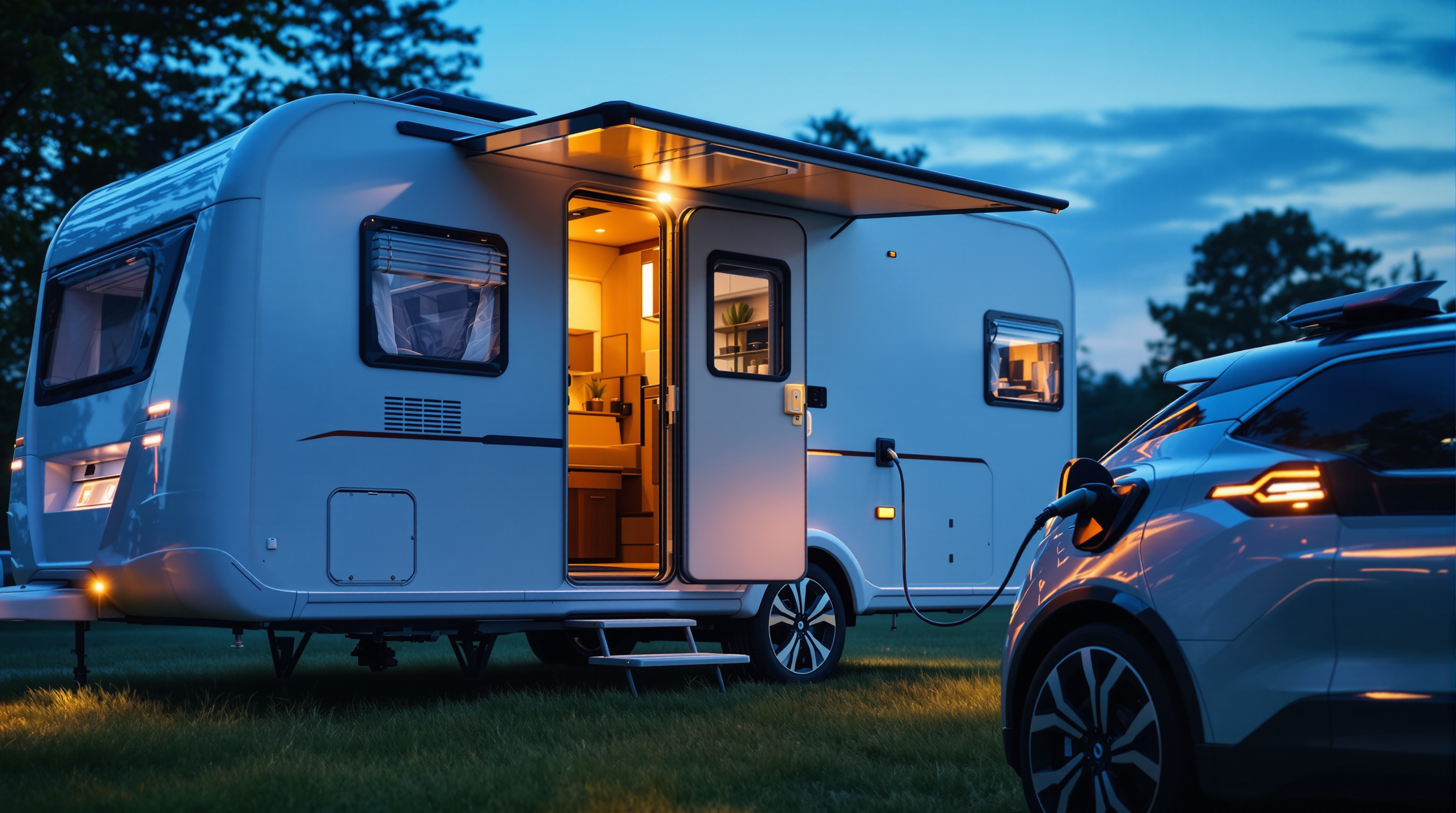
Once you are on site, the same battery can Type 2-charge the car, or run a pitch. Lights, kettle, a quiet evening — without asking the tow car to be a generator.
Touring stays touring. The engineering sits underneath, where it belongs.
A concept
Not for sale. Not in production. Worth talking about.
We are exploring the idea with manufacturers, chassis and axle people, pack partners, and anyone who might fund the next drawings.
The hard parts are already clear: weight against MTPLM, control so the van cannot snake, and type approval. Those are the jobs. No lecture — just the work.
Talk to us
An open conversation.
If you build chassis, axles or packs, tour with an EV, or simply want to think it through — write to QLG Media. No hard ask. Just a note.